How Long Does It Take to Rehydrate? 5 Vital Facts
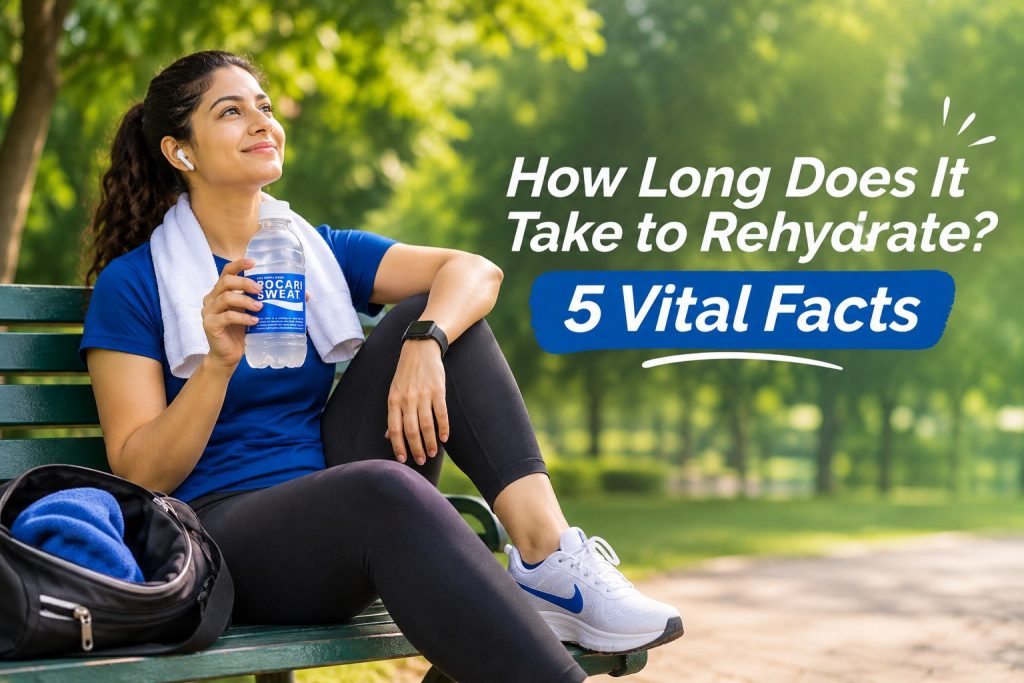
How long does it take to rehydrate? For mild dehydration, most people feel better within a few hours, though full recovery can take up to a day. The answer isn’t the same for everyone. Dehydration happens when your body loses more fluid than you take in, and how fast you bounce back depends on how much you lost, what you drink, and your own health. Mild and severe cases also need different care. This guide explains the main facts, plus how water and minerals both play a part in recovery.
What Happens to Your Body When You Become Dehydrated?
Your body loses water all day through sweat, urine and breath, and you normally replace it by drinking and eating. When you lose more than you replace, your body fluid loss starts to show.
Common dehydration causes include hot weather, hard exercise, travel, illness with vomiting or diarrhoea, and plain low water intake. Water helps carry nutrients, keep your temperature steady and support your muscles and brain. With less of it, you may feel thirsty, tired and dizzy, and you may get headaches.
The two stages are quite different:
- Mild dehydration. You feel thirsty, your mouth is dry and your urine is darker than usual. Drinking fluids at home usually fixes it.
- Severe dehydration. You may feel confused, faint or very weak, and you may pass very little urine. This needs medical help.
How Long Does It Take to Rehydrate? 5 Vital Facts
1. Rehydration Time Depends on Dehydration Severity
The more fluid you’ve lost, the longer rehydration time will be. A small deficit after a warm walk may clear in an hour or two. A bigger loss, such as after a day of heavy sweating or a stomach bug, can take many hours or more. Severe cases may need fluids given through a drip.
2. Mild Dehydration May Improve With Gradual Fluid Intake
For mild dehydration recovery, sip steadily instead of gulping. Many people feel better in two to three hours, and some need until the next day to feel fully normal. A glass of water every 15 to 20 minutes is a sensible pace. Your body can only absorb so much at one time, and a rush of fluid often just passes straight through.
3. Sweat Loss and Activity Levels Influence Recovery
A long run in the heat takes far more out of you than an hour at a desk. The more you sweat, the more you need to replace, so plan your drinks before, during and after activity.
4. Replacing Sodium and Other Minerals May Help After Heavy Sweating
Sweat carries minerals, mainly sodium, along with water. After heavy sweating, plain water replaces the water but not the minerals. Some research suggests drinks and foods with sodium help the body hold on to fluid for longer. That’s why fluid replacement after a long, sweaty effort often works best with a little salt from food or a drink made for the job. Your mineral balance matters as much as the volume you drink.
5. Reduced Thirst Does Not Always Mean Complete Recovery
Thirst usually fades after a few drinks, but your body may still be a little low. Keep sipping for the next few hours, and check other signs, such as urine colour and energy levels.
What Factors Affect How Quickly Your Body Rehydrates?
Several things set your rehydration speed, and they work together:
- How much water you lost: A bigger loss takes longer to put back.
- How long and hard you were active: Long, intense effort means more sweat and more minerals gone.
- Weather and temperature: Heat and humidity keep you sweating even after you stop.
- What and how much you drink: Water, milk, oral rehydration drinks and ION supply drinks all behave a little differently. Large amounts drunk at once are not absorbed as well as steady sips.
- Your health: Age, body size, illness and some medicines all change how much fluid you need and how fast you recover.
Together, these shape your hydration recovery time.
How Can You Rehydrate Your Body Effectively?
If you want to know how to rehydrate quickly, the safest answer is steady and sensible, not extreme. These hydration recovery tips help:
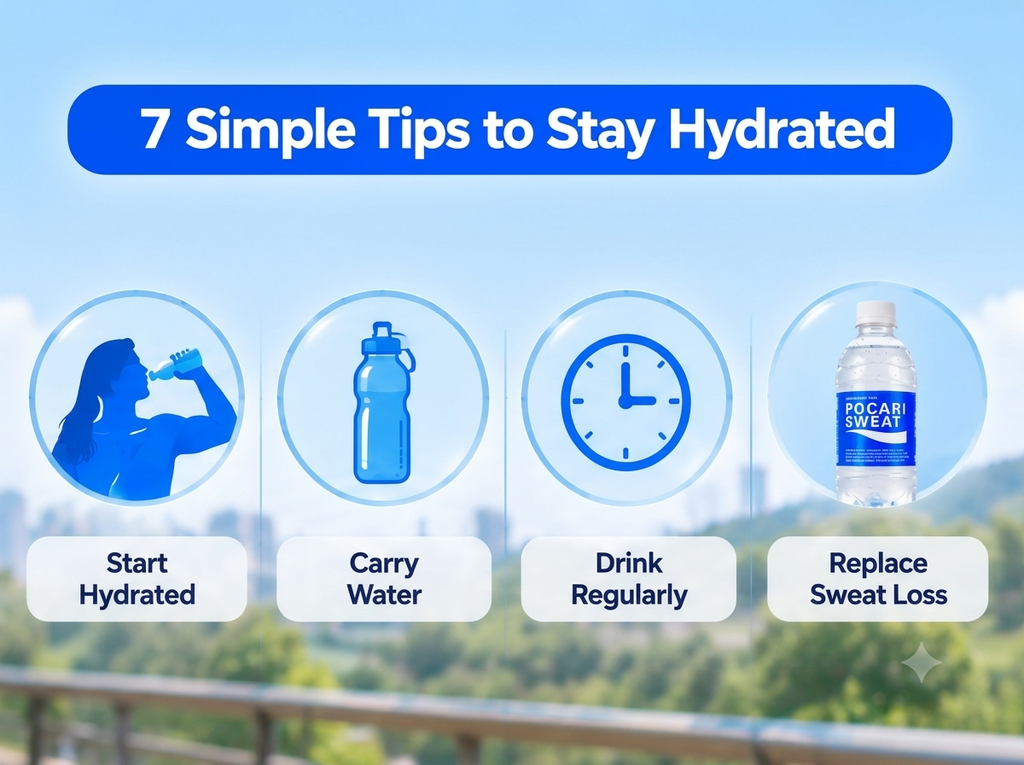
- Drink fluids gradually. Small, regular sips work better than a litre in one go.
- Choose water for everyday hydration. It’s cheap, has no sugar and suits most situations.
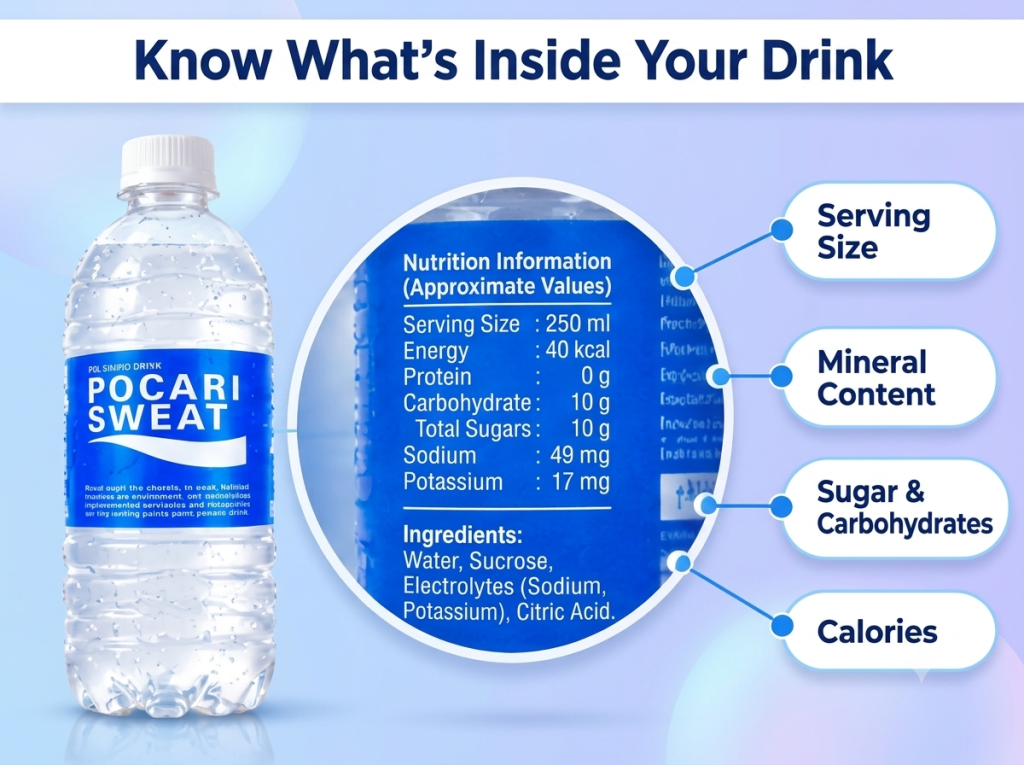
- Consider an ION supply drink after heavy sweating. If you’ve lost a lot of sweat and minerals, an ION supply drink for hydration such as Pocari Sweat can help put back both water and ions. It still works best alongside plain water. Check the label for sugar if you watch your intake.
- Eat balanced meals. Fruit, vegetables, soups and a little salty food help you restore body fluids and minerals.
- Avoid drinking too much too fast. Very large amounts in a short time can upset your stomach, and in rare cases dilute the salts in your blood.
How Do You Know When Your Body Is Rehydrated?
Look for the signs of proper hydration. You’ll rarely need a test, because your body tells you:
- Less thirst. Your mouth feels normal again.
- Normal urination. You pass urine at your usual times and in your usual amounts.
- Pale yellow urine. Urine colour is a helpful guide, though some vitamins and foods can change it.
- Less weakness or lightheadedness. You feel steady and clear-headed.
These dehydration recovery signs should appear within hours for mild cases. If your hydration levels don’t improve, or symptoms stick around, don’t just keep waiting. Your fluid balance may need more help than a few drinks.
When Does Dehydration Require Medical Attention?
Some severe dehydration symptoms need a doctor, not another glass of water. Get help if you notice:
- Dizziness or weakness that doesn’t go away
- Very little urine, or none for many hours
- Confusion, or fainting
- A racing heartbeat
- Vomiting that stops you keeping fluids down
Babies, young children, older adults and people with long-term illnesses are at higher risk, so act sooner with them.
Ordinary sports or hydration drinks aren’t the right tool for illness. When dehydration comes from diarrhoea or vomiting, doctors often advise oral rehydration solution, which has a fixed mix of salts and glucose for dehydration treatment. An ION supply drink isn’t a swap for it. Ask a doctor or pharmacist what suits you.
Conclusion
The length of the rehydration process can depend on how much you are losing and your own individual body. Often mild dehydration can be resolved within hours. However if you are losing more fluids and you have severe dehydration it will take longer to recover from. Sip small amounts of fluid, replace electrolytes if you are losing a lot of sweat. Look out for the signs that your body is recovering and don’t ignore any warning signs. If you aren’t sure ask a doctor.
FAQ
How long will it take me to rehydrate after mild dehydration?
Most people feel better within two to three hours of slowly drinking fluids. However, some may take all day to feel back to normal.
Can I rehydrate in 30 mins?
You may feel less thirsty; however, it usually takes longer than 30 mins to fully rehydrate. Continue to slowly sip on fluids.
What is the fastest and safest way to rehydrate?
Drink small amounts of water regularly. After a heavy sweat, you can also have some salty food/mineral drink. Don’t have large amounts at once.
Can I use an ION supply drink?
Yes. This helps replace the water and ions lost through sweating. This should be used with just water. It is not a replacement for medical rehydration salts if you are unwell.
How will I know if I am rehydrated?
You will feel less thirsty, pass urine normally, your urine will be a pale yellow colour, and you won’t feel weak or light-headed.