
Winter Workout Hydration: 7 Vital Tips to Stay Strong

It’s a chilly morning, you’re bundled up, and the water bottle stays in the bag. Sound familiar? That’s exactly where winter workout hydration slips. You’re still losing fluid in the cold; you just don’t feel it. At Pocari Sweat, we’d like your winter training to leave you strong, not wiped out. So here’s how cold weather exercise hydration really works, seven tips you can start today, and how to tell when water is enough and when an ION-supply drink earns its place.
Why Is Winter Workout Hydration Important?
Sweat isn’t the only way you lose water. Cold air is dry, so each breath out takes a little moisture with it. Ever seen your breath puff out like smoke on a cold run? That’s water leaving your body, and it adds up. This is a big part of winter exercise fluid loss.
Then there’s thirst. In the cold it goes quiet, so you reach for a drink less often than you would in July. That’s why winter dehydration sneaks up on so many people.
Indoors, it’s a different story. A heated gym, a thick hoodie, and a hard set of squats will have you dripping, so fluid loss during workouts can easily match a summer session. Your muscles, heart and brain all need enough fluid to do their job. Run low, and you’ll feel tired, light-headed or crampy.
7 Vital Winter Workout Hydration Tips to Stay Strong
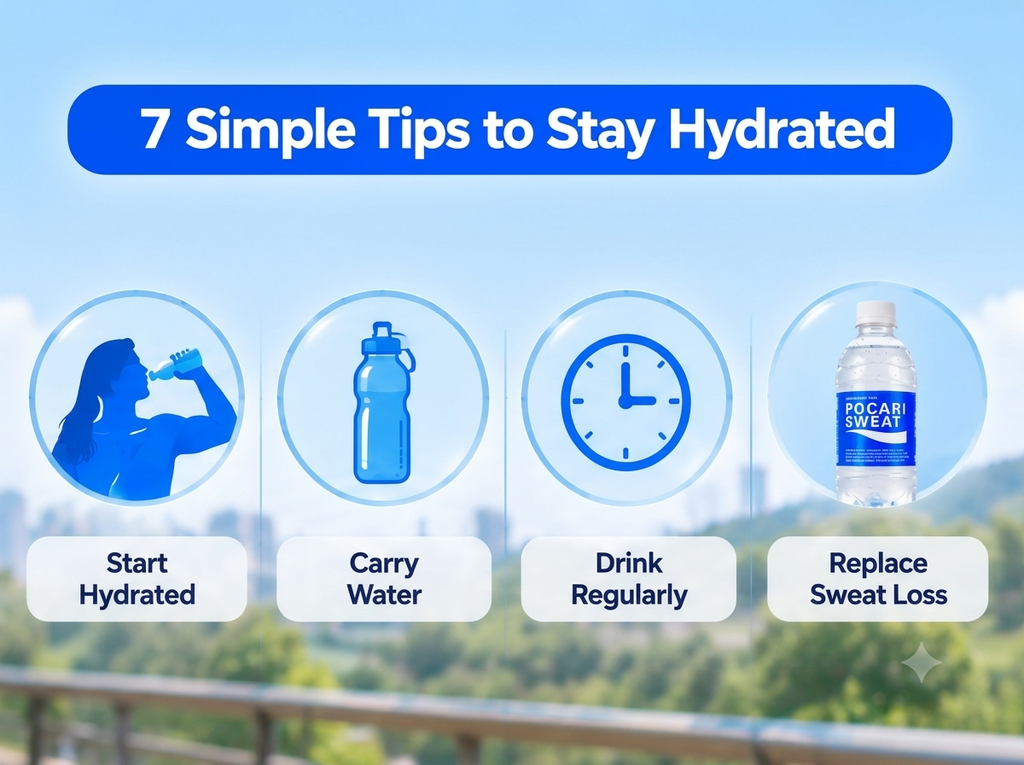
None of these need special kits. They suit runs, gym sessions, and living-room workouts equally well, and together they make up a handy set of winter workout hydration tips.
1. Start Your Workout Properly Hydrated
Don’t leave pre-workout hydration until the warm-up. Have a glass or two of water in the hours before you train, and glance at your urine. Pale straw is what you want. If you’re unsure what dark looks like, our guide to the signs of dehydration will help.
2. Keep a Water Bottle Within Reach
If it’s across the room, you won’t drink it. Put it next to your mat, on the treadmill or at the top of your bag. This one small change makes hydration during winter exercise much easier.
3. Don’t Rely on Thirst Alone
Because the cold dulls thirst, don’t wait for it. Take a few sips every 15 to 20 minutes instead. Also pay attention to other hints, like a dry mouth, a headache, or a heavy, tired feeling. Our page on dehydration symptoms lists more.
4. Watch Your Sweat During Indoor Workouts
Indoor workout sweating catches people off guard, particularly in a warm room or under a few layers. A damp top or a flushed face means you’re losing more than you think, so have a drink. Our tips on staying hydrated in summer heat work nicely in a heated gym too.
5. Match Your Intake to Your Workout
The longer and harder you train, the more you need. But more isn’t always better. Drinking far too much in one go can upset your body’s salt balance, so keep to steady sips.
6. Consider an ION Supply Drink After Heavy Sweating
After a long or sweaty session, water only replaces part of what’s gone. An ION supply drink during winter workouts, such as Pocari Sweat, puts back fluid and ions together. Our piece on ion drinks benefits explains how.
7. Keep Hydrating During Recovery
Finishing your workout isn’t the finish line for your fluids. Keep sipping over the next few hours and have a balanced meal alongside. For more, see our hydration tips for sports recovery.
Can You Get Dehydrated During Winter Exercise?
Yes, and more easily than you’d expect. You sweat under warm layers, lose moisture with every breath, and feel less thirsty. Put those together, and dehydration in cold weather builds quietly in the background.
Look out for these signs:
- Dark yellow urine, or going less often than usual
- A dry mouth or a headache
- Unusual tiredness or muscle cramps
- Feeling dizzy when you stand up
Spot a few of them? Stop, rest, and drink. If you feel faint, confused, or properly unwell, stop exercising and get medical help.
Indoor vs Outdoor Winter Workouts: How Do Hydration Needs Differ?
Gym hydration in winter and outdoor winter exercise hydration aren’t quite the same, so tweak your plan to match.
Indoors, heated studios can make you sweat like it’s mid-summer. At least you can see it happening, which helps you judge when to drink. Hydration for indoor workouts matters most here, because a warm room and a tough class use up fluid fast.
Outdoors, sweat dries quickly in the cold air or vanishes into your clothes, so you barely notice it. Meanwhile, the dry air pulls extra moisture from your lungs. Cold weather workout hydration therefore needs a plan, since your body won’t nudge you.
Either way, go by how long and how hard you’re training.
Water vs. ION-Supply Drinks During Winter Workouts
For plenty of routine workouts, water does the job. A short jog or an easy gym session rarely needs more.
Long sessions are different. Sweat carries sodium and other ions as well as water, so fluid and mineral replenishment matters after a long or intense effort. Sodium also helps your body hold on to the fluid you drink.
This is where Pocari Sweat hydration comes in. It’s a Japanese ION supply drink from Otsuka, made to replace the fluid and ions you lose in sweat, and you can read how it all began. Want to compare your options? Have a look at ion drinks that truly replenish your body and the top 5 isotonic drinks.
The simple version of water vs. ION-supply drink: water for short, easy sessions, and an ION-supply drink after long, sweaty, or hard ones.

How to Build a Winter Workout Hydration Routine
A solid winter hydration routine doesn’t need to be complicated:
- Before: Drink water in the hours leading up to your session and check your urine colour.
- During: Sip every 15 to 20 minutes, and drink more if you’re sweating a lot.
- After: Begin post-workout fluid replacement with water, or an ION supply drink after heavy sweating, then eat a balanced meal.
- Adjust: Drink more for longer, harder, or hotter sessions and less for short, easy ones.
- Don’t overdo it: Avoid drinking too little, and avoid gulping down huge amounts at once.
The same steps work for indoor workout hydration. Just keep a closer eye on how much you’re sweating.
Conclusion
Winter workout hydration matters as much as it does in summer. Cold weather hides your thirst, your breath carries moisture away, and warm gyms keep you sweating. Drink before, during, and after exercise, and match your drink to your workout: water for most sessions, and an ION-supply drink after long or heavy sweating.
FAQs
1. Do you need to drink more water during winter workouts?
Not necessarily more than in summer, but you do need to drink on purpose. Thirst is weaker in the cold, so sip regularly.
2. Can you become dehydrated while exercising in cold weather?
Yes. You lose fluid through sweat and breathing, and you may not feel thirsty, so dehydration can build without you noticing.
3. Does indoor winter exercise cause mineral loss through sweat?
Yes. Sweat contains sodium and other minerals, and warm indoor sessions can make you sweat heavily.
4. When should you choose an ION supply drink during winter workouts?
Consider one after long, intense, or very sweaty sessions. Water is usually enough for short, light workouts.
5. What should you drink after a winter workout?
Start with water, and choose an ION supply drink such as Pocari Sweat if you’ve sweated a lot. A balanced meal helps your recovery too.