
Dehydration and Dizziness: 5 Critical Warning Signs

Ever stood up on a hot day and felt the room tilt for a second? Dehydration and dizziness often show up together. When you lose more fluid than you drink, there’s less blood in your body, so less of it reaches your brain. At Pocari Sweat, we think it pays to know the dehydration warning signs early, while a glass of water can still sort things out. Below, we cover why dizziness due to dehydration happens and which dehydration symptoms deserve your attention.
Why Are Dehydration and Dizziness Linked?
Blood is mostly water. Sweat a lot, skip your drinks, or get hit by a stomach bug, and your blood volume drops. With less blood moving around, your blood pressure can fall too, which is the link behind dehydration and blood pressure problems. Thirst, a dry mouth and darker urine are the usual fluid loss symptoms.
Standing up adds to it, because gravity pulls blood down into your legs. Most of the time your body copes in a flash: blood vessels tighten and your heart speeds up. But when low fluid levels leave too little blood to go around, that quick fix doesn’t work and you feel wobbly.
Sweat also carries salt and other minerals. So after a long, sticky day, your fluid replacement needs to cover those as well as the water. Our guide on 7 simple ways to stay hydrated in the summer heat has easy habits for this.
5 Warning Signs of Dehydration and Dizziness
Mild dehydration usually means thirst, tiredness and a dry mouth. If you spot any of the signs below, you’ve moved beyond mild.
1. Feeling Lightheaded When Standing
This is often the first sign that your blood volume is low. Your vision might blur for a few seconds too. One head rush in a day is nothing to worry about. If lightheadedness keeps returning, or hangs around for a while, drink some fluids.
2. Feeling Faint or Fainting
If your brain isn’t getting enough blood, you can pass out. Before that, many people feel sweaty, sick or pale, or hear a ringing in their ears. Fainting can point to severe dehydration, and a fall can cause real injury, so don’t ignore it.
3. Dark Urine or Little Urine
Your urine colour is a handy guide. Pale straw is good. Dark amber, or barely going at all for hours, tells you your body is holding on to water.
4. Raised Heart Rate or Fast Breathing
Your heart works harder to keep blood moving, and your breathing may speed up. If your pulse is racing at rest, or you’re out of breath after hardly any effort, that’s one of the more severe dehydration symptoms.
5. Confusion or Excessive Tiredness
Feeling muddled, unusually irritable or very drowsy means your brain is being affected. This is among the most serious signs of dehydration, and you need a doctor quickly.

Why Does Dehydration and Dizziness Peak When You Stand Up?
Doctors call a blood pressure drop on standing orthostatic hypotension. It’s usually defined as a fall of 20mmHg or more in systolic pressure, or 10mmHg or more in diastolic pressure, within 3 minutes of standing. The typical low blood pressure symptoms are dizziness, blurry vision, weakness and, sometimes, fainting.
Orthostatic hypotension is defined as a fall of 20 mmHg or more in systolic blood pressure, or 10 mmHg or more in diastolic blood pressure, within 3 minutes of standing. Typical symptoms include dizziness, blurred vision, weakness and, sometimes, fainting.
https://www.ncbi.nlm.nih.gov/sites/books/NBK448192
Dehydration is a recognised trigger for orthostatic hypotension because fluid loss can reduce blood volume. When you are dehydrated, your body may struggle to maintain stable blood pressure as you change positions. People who already have orthostatic hypotension may notice worsening symptoms when they do not drink enough fluids, particularly when getting out of bed in the morning.
https://my.clevelandclinic.org/health/diseases/9385-low-blood-pressure-orthostatic-hypotension
An occasional dizzy spell may not be a cause for concern, but frequent or sudden episodes should be evaluated by a healthcare professional.
An odd dizzy spell is normal. Frequent, sudden ones aren’t, so get them checked.
Dehydration and Dizziness vs Other Dizziness Causes
Fluid loss isn’t the only reason you might feel dizzy, and it helps to work out which one applies. Telling dehydration vs other causes apart means you can choose the right next step. Besides dehydration, the usual causes of lightheadedness are:
- Low blood sugar: shaking, sweating and dizziness that often ease after you eat.
- Anaemia: less oxygen reaches your body, leaving you tired, pale and dizzy.
- Inner-ear problems: such as benign paroxysmal positional vertigo, which gives a spinning feeling when you move your head.
- Medicines: some blood pressure tablets, water tablets (diuretics) and antidepressants can make you dizzy.
With so many possible causes, it’s hard to diagnose yourself. If you keep getting dizzy even when you’re drinking enough, see a doctor.
How to Get Relief From Dehydration and Dizziness
If you think dehydration is behind your dizziness:
- Stop and rest. Sit or lie down, and get up slowly afterwards.
- Cool down. Move into the shade or sit near a fan.
- Take small sips of water once you feel fully alert. Slow sipping is the simplest form of hydration for dizziness, and the best first step towards dehydration dizziness relief.
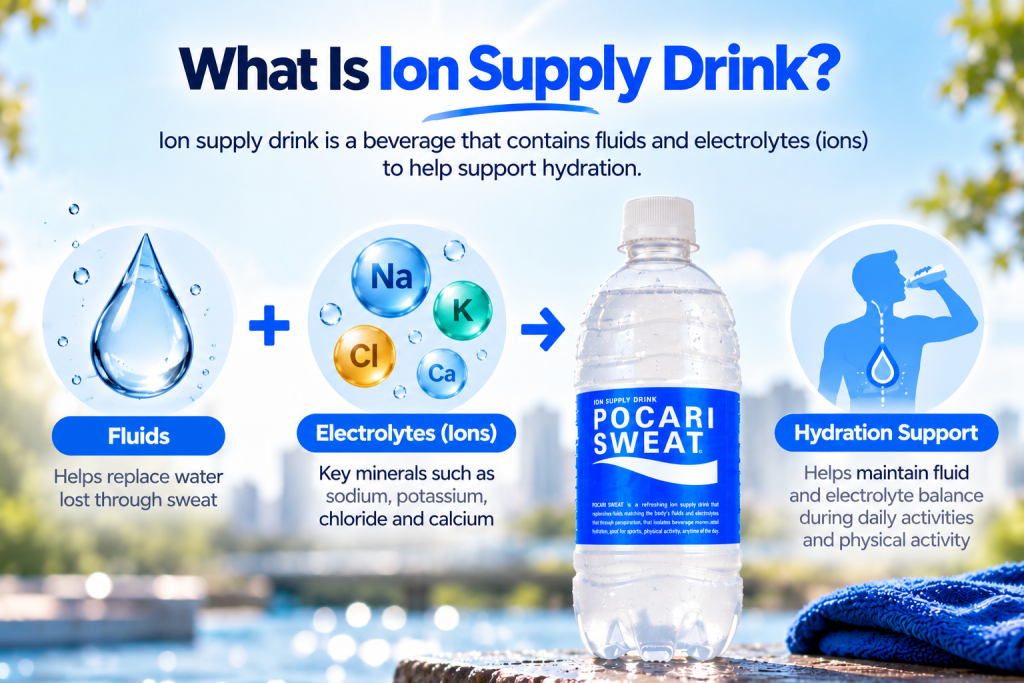
- Replace minerals if you’ve been sweating heavily. Water on its own won’t fully top you up. An ION supply drink after sweating helps put back both fluids and ions. Pocari Sweat is one example, a Japanese drink from Otsuka, and you can read about where it came from if you’re curious.
- Get help if it doesn’t pass.
If you’re wondering what makes these drinks different from plain water, our article on ion drinks benefits explains it. For more on what to look for, see ion drinks that truly replenish your body and the top 5 isotonic drinks. Training hard? These hydration tips for sports recovery are worth a look.
The best fix is prevention. Drink regularly rather than waiting until you’re thirsty, and drink more when it’s hot.
When to Seek Medical Attention for Dehydration and Dizziness
You can usually manage mild dehydration at home. Severe dehydration is different and needs dehydration medical attention straight away. These dizziness warning signs mean it’s time to get help:
- Persistent dizziness even after you’ve had fluids, or spell after spell
- Fainting or passing out
- Confusion, extreme tiredness or serious weakness
- Chest pain, trouble breathing, or stroke-like signs such as slurred speech or weakness on one side
- Very little or no urine for a long time, or being unable to keep fluids down
Babies, young children and older people dehydrate faster, so don’t wait with them. An ION supply drink can help top up fluids and minerals, but it’s no replacement for a doctor’s check or treatment. Serious cases may need fluids through a drip.
Conclusion
Dehydration and dizziness are connected through a simple chain: less fluid, lower blood pressure, and less blood reaching your brain, especially when you stand. Watch for the five signs, rest, cool down and top up fluids and minerals. If symptoms are severe or keep coming back, see a doctor.
FAQs
1. Can dehydration cause dizziness when standing?
Yes. With less fluid in your body, your blood volume falls, and it’s harder for your blood pressure to stay steady when you get up.
2. How does dehydration affect blood pressure?
It reduces the blood flowing around your body, which can pull your blood pressure down. Your heart may beat faster to make up for it.
3. Can drinking water help dehydration-related dizziness?
For mild cases, sit down and take small sips of water. After heavy sweating, a drink that contains ions, such as Pocari Sweat, can help too. If you don’t feel better, see a doctor.
4. How long can dehydration-related dizziness last?
Mild symptoms often ease within a few hours of rest and fluids, depending on how much you’ve lost. If they last longer or keep returning, get checked.
5. When should dizziness and dehydration be treated as serious?
If you faint, feel confused, or have chest pain, trouble breathing, a very fast heartbeat, little or no urine, or can’t keep fluids down.